Low risk, high reward: how affiliate marketing is shaping the future of consumption
April 06, 2026

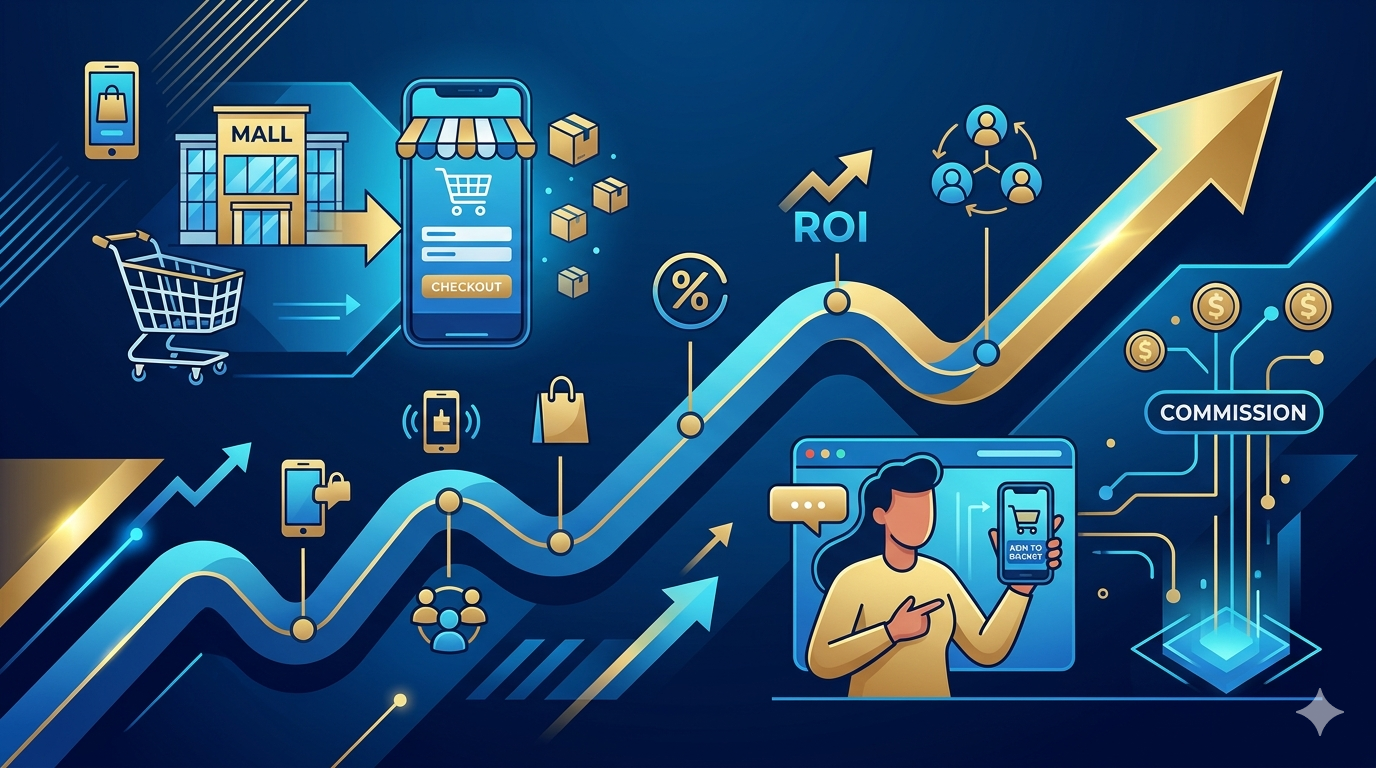
Shopping has moved from malls to our phones, where a single tap drives purchases. At the center of this shift is affiliate marketing, a model where brands pay creators through commission, turning content into commerce with little upfront cost.
“Click the yellow basket. Check my showcase. Use my discount code,” is no longer a throwaway line but a business strategy. As inflation rises, more Filipinos are tapping into affiliate marketing as a low-risk side hustle. With just a phone and platform, users convert everyday purchases into income.
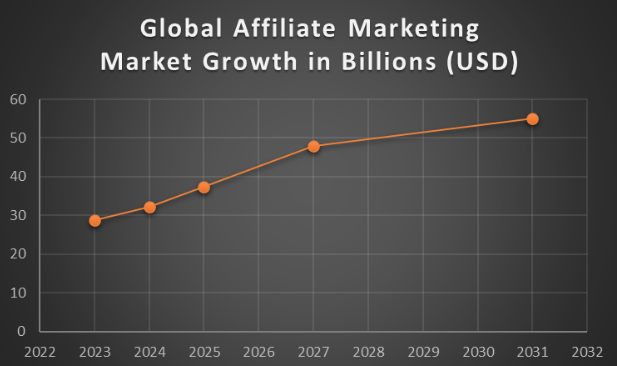
And the industry is booming, projected to grow steadily through 2031 as social commerce reshapes buying habits. In the Philippines, it’s embedded in TikTok Shop, Shopee, and Lazada, quietly influencing how consumers decide.
Data compiled April 1, 2026.
The figure shows the projected value of the global affiliate marketing industry in billions
measured in U.S. dollars, from 2023 to 2031, highlighting consistent market growth.
Source: Post Affiliate Pro
Its edge lies in performance. According to Matleena Salminen, brands earn up to $15 for every $1 spent, making it more efficient than traditional Key Opinion Leader (KOL) campaigns.
Affiliate marketing flips the script. Anyone can become a KOL, but most earn purely through commission: no sales, no payout; strong content, bigger rewards.
Basket PH, a product-testing, content creation and affiliate marketing hub in the Philippines, is betting on this model. We aim to turn every real experience into sharable stories, and every story into measurable growth. With Basket PH, results aren’t just promised—they’re proven.
Guided by a three-part framework, the testing hub starts with market research, transforms insights into content, and deploys that content for affiliate-driven sales, aiming to build a more data-driven and intentional approach to product recommendation.
In a digital economy driven by efficiency, affiliate marketing delivers on its promise of low risk, high reward, with Basket PH pushing to reshape how trust, influence, and consumption are built through a research-based approach.